Contributors
Glainne gatherings are shaped by the people who help hold them.
Artists, writers, thinkers, and hosts join each experience not to instruct, but to guide attention, open conversation, and contribute their particular way of seeing.
They are present as participants first, and facilitators second.
ROLES — EXPLAINED SIMPLY
At different gatherings, participants may encounter:
Hosts, who welcome the group and tend the rhythm of shared life
Facilitators, who guide specific conversations or sessions
Artists, who contribute creative practice or performance
Special Guests, who join for a chapter or moment
Roles may overlap. Titles are functional, not hierarchical.
-
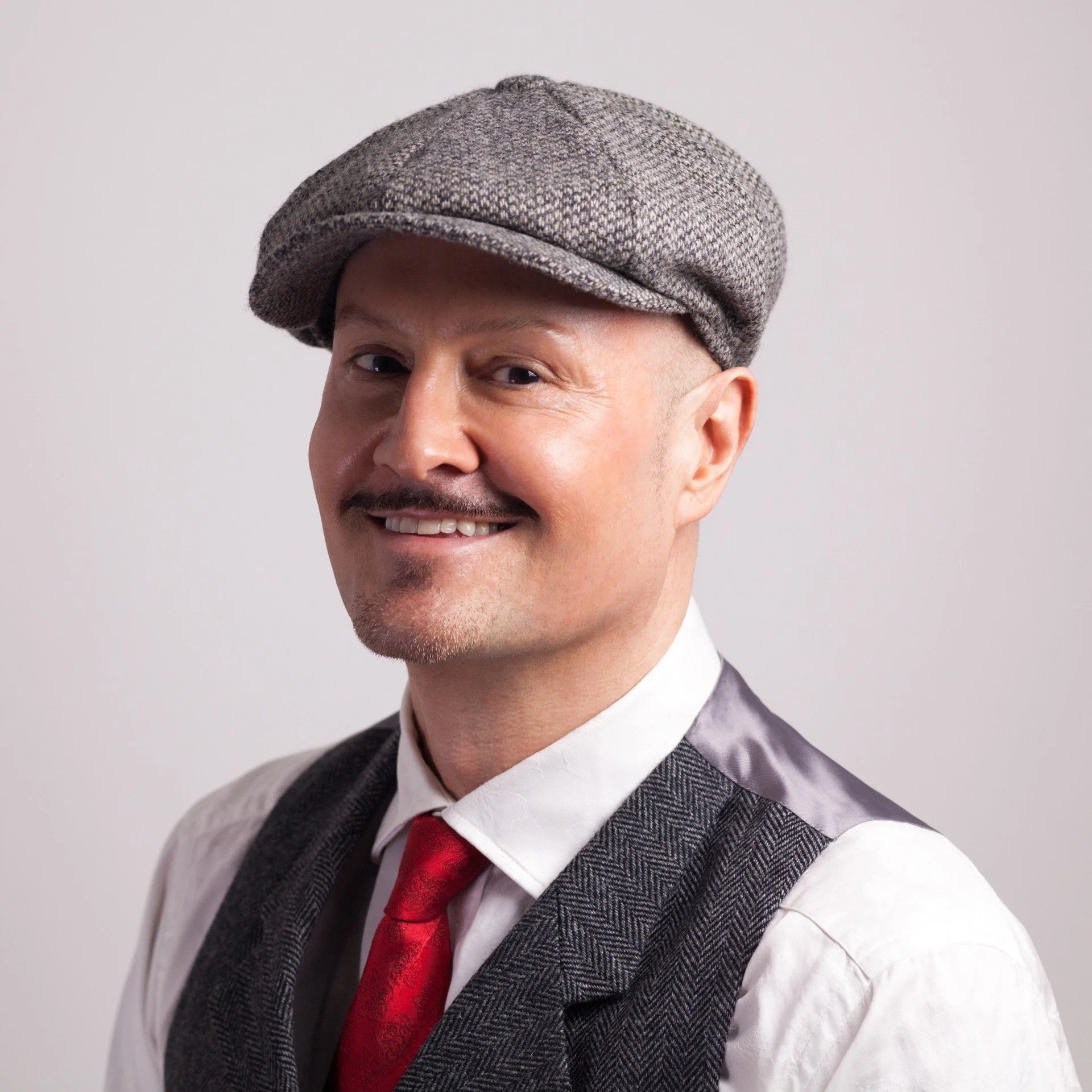
Writer, journalist, and cultural organizer Paul Burston is the founder of the Polari Salon and Polari Prize, celebrating LGBTQ+ literature.
A former editor for Time Out’s LGBTQ section and contributor to major UK newspapers and magazines, he’s known for championing queer stories in print and on stage. His memoir, We Can Be Heroes (2023), tracks a life of activism—from ACT UP and GALOP to media work—set against the backdrop of the AIDS crisis and contemporary Britain.
Burston’s community-building runs alongside a shelf of novels and anthologies; he curates readings, interviews authors, and keeps queer literary scenes vibrant and visible. Calmly incisive on culture and politics, he writes with intimacy about survival, friendship, and the long arc of change.
Burston’s projects create platforms as much as pages: places where writers and readers meet, histories are remembered, and new voices step forward.
Socials
Website: paulburston.net
YouTube: Polari Salon (channel)
Instagram: @paulburston1Selected Works
We Can Be Heroes (2023); Shameless (2001), Lovers & Losers (2007), The Gay Divorcee (2009).

-
Art historian, curator, and writer Jonathan D. Katz is a pioneering voice in queer art history.
His scholarship and exhibitions trace how sexuality and identity shape modern and contemporary art, and he’s renowned for expansive, international curatorial projects that reframe the canon.
As Associate Professor of Practice at the University of Pennsylvania, Katz bridges research and public scholarship, publishing landmark books and organizing shows that travel widely.
His recent work connects post-Stonewall cultural politics to today’s global practices, championing artists historically ignored by institutions. Katz’s projects are immersive—marrying rigorous archival work with bold, public-facing storytelling—and have helped mainstream audiences encounter queer histories in museums, catalogues, and classrooms.
Whether excavating early expressions of homosexual identity or surveying the last half-century of queer art, Katz’s aim is consistent: to change how we see, remember, and discuss art, and to expand who gets represented on the wall and on the page.
Selected Works
Bibliography:
About Face: Stonewall, Revolt, and New Queer Art (2024); The First Homosexuals (2025); Hide/Seek (2010).
Exhibitions:Hide/Seek (National Portrait Gallery, 2010–11); About Face (Wrightwood 659, 2019); The First Homosexuals (Wrightwood 659, 2025).
-
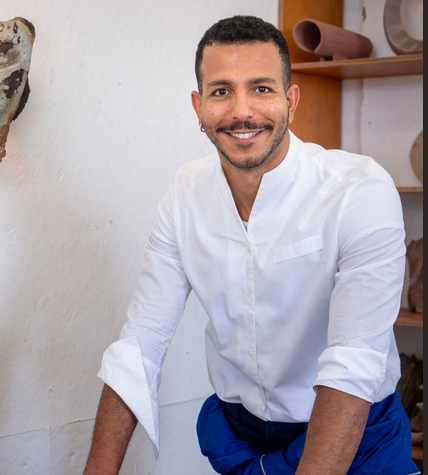
Ebrahim Elmoly is a visual artist and ceramicist whose work emerges from a long engagement with material, memory, and tactile form. Born in Alexandria, Egypt, and now based in Lisbon, Elmoly’s practice bridges storytelling and making, drawing on the organic rhythms of the natural world and the cultural textures of his journey from the Nile to the Tagus.
Working exclusively with raw clay and traditional hand-building techniques, Elmoly shapes vessels, sculptural objects, and bespoke functional pieces that negotiate the boundary between stillness and motion. Influenced by Islamic geometry, North African heritage, and the varied landscapes of Portugal, his work is quiet in gesture but rigorous in craft — each object a tactile dialogue between tradition and experimentation.
Elmoly’s work has been exhibited in museum contexts and design platforms in Lisbon, including selection for the 2025 Capsule Collection at MUDE — Lisbon’s Design Museum. He is a recipient of the Ar.Co Scholarship in Ceramics, awarded by Ar.Co – Centro de Arte e Comunicação Visual and the Portuguese Ministry of Culture, and has held international residencies such as a 2022 four-month program at Cité internationale des arts in Paris supported by the Institut Français d’Égypte.
Alongside his studio practice, Elmoly teaches ceramics and invites dialogue around process, form, and material presence. At Glainne gatherings, he brings an attentive way of making — encouraging participants to notice how clay holds time, gesture, and lineage in its surface and structure.
Socials
Instagram: @elmolystudio
Website: elmolystudio.comSelected Awards & Exhibitions

-
Madrid-born dancer, choreographer, and philosopher Fernando López investigates flamenco through a queer lens, moving between stage, scholarship, and public dialogue.
A doctor in Aesthetics (Paris 8), he directs a contemporary flamenco company whose works braid movement, text, and music while challenging gendered codes of the form.
López’s groundbreaking study Historia queer del flamenco (2020) reframed two centuries of dance history; its English edition, A Queer History of Flamenco (2024), brings the research to international readers.
Onstage and on the page, he argues for flamenco as a living archive of transgression and reinvention, making space for bodies and stories long kept to the margins.
López tours widely, teaches, and contributes to debates on performance, identity, and tradition—proving scholarship can sweat, and dance can theorize.
Socials
Website: lrparrafernando.com
Instagram: @lrparrafernandoSelected Works
Historia queer del flamenco (2020); A Queer History of Flamenco (2024).
-
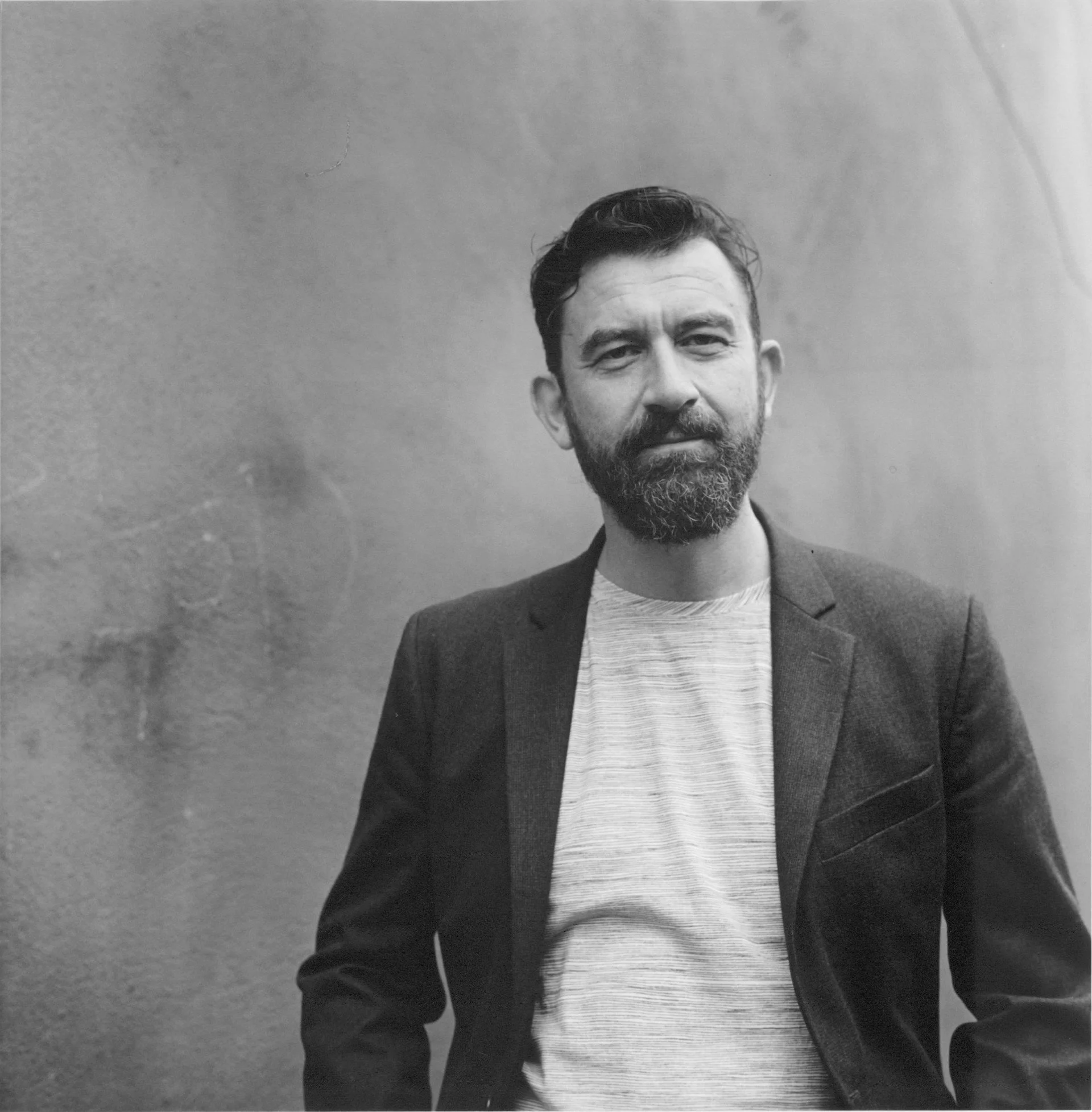
Paul McVeigh is a writer whose work explores masculinity, family, and the emotional inheritance of place. Across fiction, theatre, and radio, he writes with precision about intimacy, silence, and the lives men build for themselves within — and sometimes against — their communities.
His debut novel The Good Son won the Polari First Book Prize and was later adapted for the stage, with rights acquired by Ireland’s national theatre, The Abbey. His play Big Man, a contemporary gay love story, premiered at the Lyric Theatre in Belfast and received the Irish Times Irish Theatre Award in 2023.
McVeigh’s short fiction has been broadcast on BBC Radio 3, 4, and 5 Live, RTÉ Radio, and Sky Arts. His first collection, I Hear You (2025), commissioned by BBC Radio 4, was awarded the McCrea Literary Award and continues his interest in voices often heard only in fragments.
Alongside his writing, McVeigh edits and curates spaces for queer and working-class storytelling, including the anthology Queer Love. At Glainne gatherings, he brings a grounded attentiveness to conversation — creating space for reflection, listening, and the quiet courage of speaking plainly.
Socials
Instagram: @paulmcveighwriter
Website: paulmcveighwriter.comSelected Works
The Good Son; I Hear You; Big Man; editor of Queer Love and The 32: An Anthology of Irish Working Class Voices
-
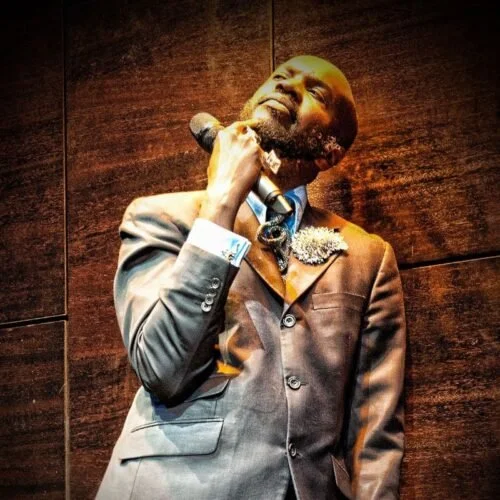
Vocalist, writer, and art historian David McAlmont pairs one of British pop’s most expressive voices with a scholar’s curiosity.
First acclaimed for 1990s hits with Bernard Butler (“Yes”), he’s continued to shapeshift—solo, in collaborative albums, on stage, and in galleries.
Recent records with HiFi Sean (Happy Ending, Daylight, Twilight) rekindle his widescreen soul while his public-history projects explore beauty, identity, and representation. McAlmont’s Permissible Beauty at Hampton Court Palace (2023) connected 17th-century portraiture to contemporary Black queer sitters, and his performance work girl.boy.child shone a light on LGBTQ histories across National Trust sites.
In music and in museums, he pursues the same idea: that voice—sung or written—can remap how we see ourselves. He’s an artist of scale and detail: meticulous about history, fearless about feeling, and generous with the audience in front of him.
Socials
Website: davidmcalmont.co.uk
YouTube: @DavidMcAlmont (official channel)
Instagram: @david.mcalmontSelected Works
Discography: The Sound of McAlmont & Butler (1995); Bring It Back (2002); A Little Communication (1998); The Glare (2009); with HiFi Sean—Happy Ending (2023), Daylight (2024), Twilight (2025).
Exhibitions: Permissible Beauty (Hampton Court Palace, 2023); girl.boy.child (National Trust, 2017).
TV & Films: Performances on Later… with Jools Holland; Permissible Beauty film.